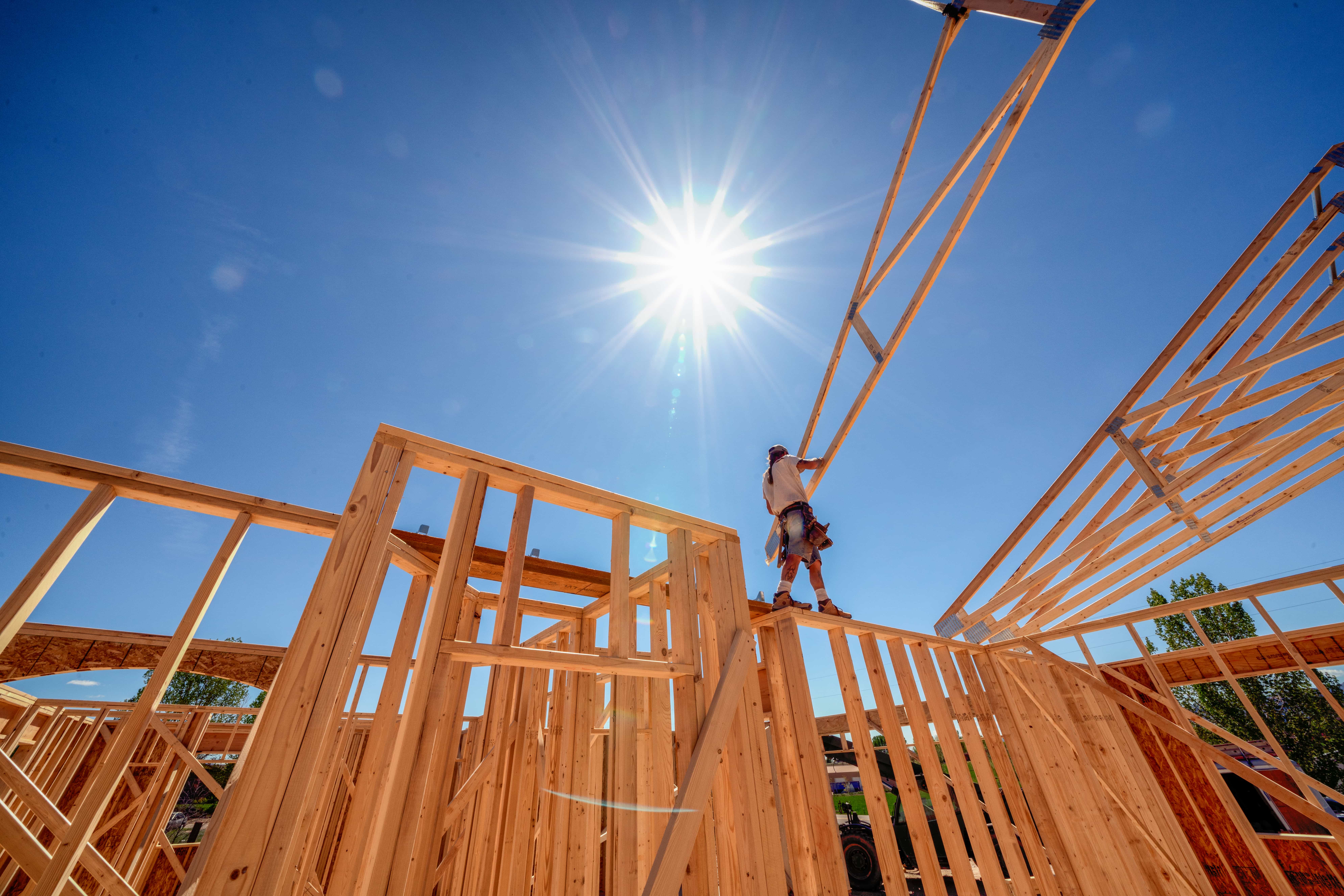
America is facing a housing shortage that has been building for decades. According to Realtor.com's 2026 Housing Supply Gap Report, the country is currently short an estimated 4 million homes, a deficit that grew from 3.8 million just the year before. In high-demand metro areas, the numbers are even more stark. The U.S. Chamber of Commerce reports that the average U.S. home value now stands at roughly $357,000, up nearly 33% over the past five years, gains that have far outpaced income growth. The same Realtor.com report found that the median down payment has reached approximately $30,400, meaning it could take a typical household seven years or more to save enough to buy. Prices have climbed, inventory has stayed thin, and the next generation of would-be homeowners is left wondering when, or if, their turn will come.
That is the backdrop against which the YIMBY movement, which stands for "Yes In My Backyard," has taken hold. And understanding what it is, and why it matters, is increasingly relevant for anyone who cares about the future of American housing.
At its core, YIMBY grew out of frustration. Across the country, people who wanted to see their communities grow and evolve watched as proposed housing developments stalled for years in approval processes, got scaled back beyond recognition, or never broke ground at all. These were neighbors, renters, young professionals, and local advocates who saw firsthand how difficult it had become to get new housing built and decided to do something about it.
They started showing up to zoning hearings, planning commission meetings, and city council sessions, not to oppose development, but to support it. Over time, those individual voices grew into an organized movement that now has chapters in cities across the country, all united around a simple idea: that building more homes, in more places, is the most direct path to making housing more accessible for more people.
Building homes is not just a construction challenge. It is also a community relations and regulatory challenge. A single development can spend years navigating the approval process before a single shovel goes in the ground. Every delay adds cost, and those costs ultimately get passed on to the buyer.
When community voices show up in favor of new housing, the calculus can shift. Planning decisions that once felt like long shots become more achievable. Builders gain confidence to invest in markets they might otherwise avoid. Landowners and municipalities find it easier to move projects forward when they know there is community support rather than automatic opposition.
That kind of momentum compounds over time. More approvals lead to more projects, more projects lead to more supply, and more supply is ultimately what a healthy housing market needs to function.
At The True Life Companies, we have built our mission around the belief that more attainable housing is achievable through smart strategy, strong partnerships, and a long-term commitment to the communities we serve. Movements like YIMBY remind us that lasting change in housing also requires engaged citizens who are willing to show up and say yes.
For informational purposes only. Not an offer to sell or a solicitation to buy securities.